


Event Venue Design Trends That Shape Events
A room can look impressive when guests arrive and still fall short by dinner, speeches, dancing, or the last round of photos. The most meaningful event venue design trends are not simply about what is fashionable in a finish or furniture style. They are about creating a setting that works beautifully through every phase of an event - from the first welcome to the final goodbye.
For families planning mitzvahs, sweet sixteens, weddings, and milestone birthdays, the right design supports a celebration that feels personal rather than pre-packaged. For corporate planners, it creates an environment that feels polished, organized, and appropriate for the occasion. The strongest venues are being designed around flexibility, guest comfort, and moments that make people want to stay engaged.
Event Venue Design Trends That Put Flexibility First
Fixed-format event spaces are becoming less appealing to hosts who want a celebration with its own point of view. A wedding reception may need a formal ceremony layout, a cocktail hour flow, seated dining, and a high-energy dance floor in one evening. A corporate event may need registration, presentations, networking, dining, and entertainment without making guests feel as if they are constantly being moved from one temporary setup to another.
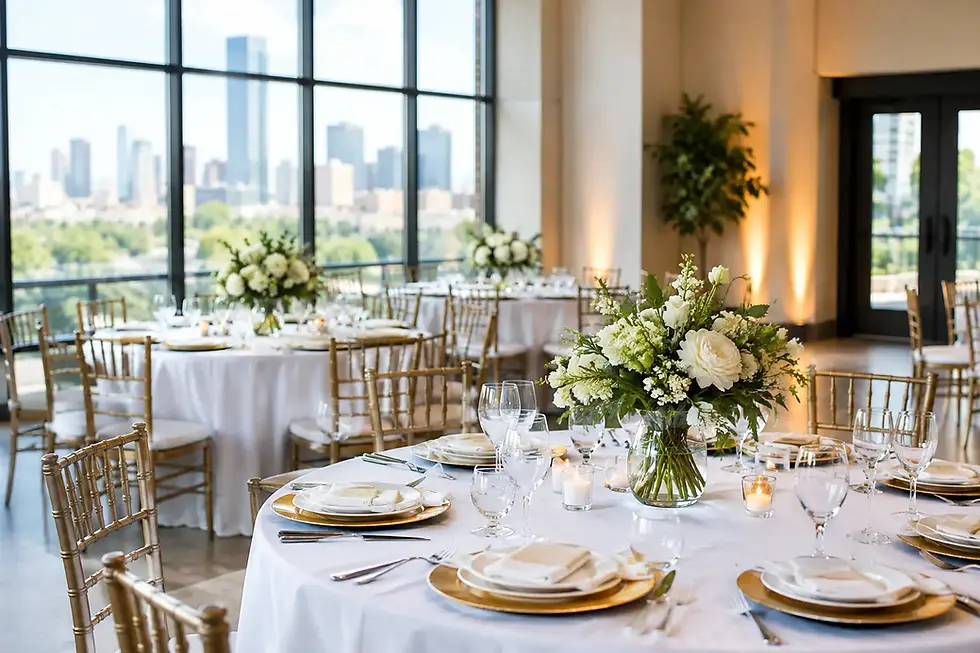
That is why adaptable layouts continue to lead venue design. Open floor plans, movable furnishings, defined gathering zones, and thoughtful room proportions allow a space to change with the event. Flexibility does not mean an empty room with no character. It means the venue provides a polished foundation while leaving room for the host's guest count, program, décor, entertainment, and atmosphere.
For a more intimate reception, seating can feel close and conversational without making the room appear underused. For a larger celebration, the same space should maintain clear paths between tables, food service, lounges, and the dance floor. This balance is one of the most practical design advantages a venue can offer. Guests should never have to choose between feeling connected to the event and having room to move comfortably.
Zones create a more natural guest experience
A successful event room rarely asks every guest to do the same thing in the same place all night. Current designs often create distinct but connected zones: an arrival area for greetings and photos, a lounge for conversation, a dining area, and an entertainment-focused space. These zones give guests options while keeping the event visually cohesive.
The trade-off is that too many separate areas can make an event feel fragmented, particularly at a smaller guest count. The best approach depends on the occasion. A lively sweet sixteen may benefit from a clear dance-floor focus and social seating around it, while a corporate reception may need more room for conversations that are not competing with music or programming.
Lighting Is Now Part of the Event Design
Lighting has moved well beyond the practical need to illuminate a room. It is now one of the most effective ways to set a mood, support a schedule, and transform a venue without changing the architecture.
Warm, flattering lighting is especially valuable during arrivals, cocktails, dinner, and speeches. It makes guests feel comfortable and photographs well. As the event shifts toward dancing or entertainment, programmable lighting can introduce energy and color without relying on excessive décor. The ability to adjust brightness and tone throughout the evening helps the same room feel appropriate for a formal reception and a celebratory after-party.
Natural light remains desirable for daytime events, showers, brunches, and business gatherings. Yet it needs to be controllable. Window treatments, layered lighting, and intentional placement of screens or presentation areas prevent glare from becoming a distraction. A bright venue is an asset when it is designed to work on the host's terms.
Lighting should also be considered from the guest perspective. Overly dark corners can make a room feel unfinished, while overly bright overhead lighting can flatten a carefully planned celebration. A well-designed venue uses light to draw attention where it belongs: the couple, the honoree, the speaker, the stage, or the dance floor.
Technology Should Feel Integrated, Not Intrusive
Guests may not notice quality audiovisual design when it works well, but they notice immediately when it does not. Clear sound, reliable screens, convenient power access, and properly placed equipment are essential for corporate presentations, video montages, speeches, DJs, live music, and interactive entertainment.
The trend is toward technology that is built into the experience rather than added as an afterthought. Screens should be visible without obstructing sightlines. Speakers should deliver even sound without forcing guests near the dance floor to shout at dinner. Power access should support vendors and guest needs without cords becoming a visual or safety issue.
For corporate events, integrated technology helps presenters stay focused on their message. For private celebrations, it gives families more ways to share photos, videos, tributes, and personalized entertainment. Still, technology should serve the gathering, not dominate it. A room filled with screens can feel less personal if every moment competes for attention.
Comfort Has Become a Premium Feature
Event design is increasingly centered on how people feel in the room. Hosts are paying closer attention to seating comfort, temperature control, acoustics, restroom access, and the ability for guests of different ages to enjoy the occasion. These details may not appear first on a décor inspiration board, but they have a major effect on whether an event feels elevated.
Lounge-style seating remains popular because it gives guests a place to take a break without leaving the energy of the room. It is particularly useful for multigenerational celebrations, where some guests want to be close to the action but not on the dance floor. Comfortable seating also encourages conversation during cocktail hours and networking events.
Acoustic comfort matters just as much. A room with hard surfaces can look modern but become unpleasantly loud once it is full. Strategic materials, drapery, furnishings, and sound planning can soften noise while preserving a lively atmosphere. The goal is not silence. It is allowing guests to celebrate, connect, and hear one another when it matters.
Personalization Is More Refined Than Theme-Driven
Personalized events remain a priority, but the design direction is moving away from decorating every surface around a single theme. Instead, hosts are choosing a few memorable elements that reflect the occasion: a custom entry moment, a distinctive color story, elevated tablescapes, a photo experience, meaningful signage, or entertainment that fits the guest list.
This approach produces an event that feels intentional without overwhelming the venue. It also gives a modern, versatile space room to contribute its own quality. A polished setting should enhance custom décor rather than compete with it.
For mitzvahs and sweet sixteens, personalization may be energetic and highly visual. For weddings, it may appear in floral choices, lighting, linens, or family details. For corporate gatherings, branding can be incorporated with restraint through welcome displays, presentation visuals, and event-specific touchpoints. The right level of customization depends on the purpose of the event and the audience in the room.
Design for Photos, but Not Only for Photos
Photo-ready design is a practical consideration, especially for milestone occasions. Guests expect places that look good in candid images as well as professional photography. Architectural details, clean sightlines, dimensional backdrops, thoughtful lighting, and uncluttered focal points all contribute to stronger photos.
But a venue should not be designed only as a backdrop. An eye-catching installation that blocks traffic or a dramatic seating plan that makes dining uncomfortable is rarely worth the compromise. The most shareable events are usually the ones where guests are genuinely having a good time. Design supports that feeling by making the room attractive, functional, and easy to enjoy.
Choosing a Venue With Long-Term Design Value
Trends are useful when they improve the way an event operates. They are less useful when they limit a host to one look, one layout, or one type of celebration. When touring venues, consider how the space will handle your actual program: guest arrival, food service, speeches, entertainment, photos, seating, and transitions between each part of the event.
For hosts in Teaneck, Englewood, and Bergen County, a customizable setting can make that planning conversation much more productive. RAIN Events is designed to provide a state-of-the-art foundation for celebrations and corporate gatherings that need both premium presentation and room to be personal.
The best venue design does not ask your event to fit a template. It gives your plans a polished place to come to life - comfortably, confidently, and in a way your guests will remember for the right reasons.


Comments