


A Modern Mitzvah Reception Setup Example
A meaningful mitzvah celebration should never feel like two separate events: a formal dinner for adults followed by a party for kids. The best modern mitzvah reception setup example brings every generation into one thoughtfully planned room, with distinct places to eat, connect, celebrate, and dance. The result feels polished from the first welcome through the last song, while still reflecting the guest of honor.
Start With a Room That Has Clear Purpose
A modern reception layout begins with flow. Guests should understand where to go without needing direction: welcome and gifts near the entrance, a comfortable area for cocktail hour, dining positioned for easy service, and a dance floor that naturally becomes the center of attention later in the evening.
For a typical 150-guest mitzvah reception, place the dance floor centrally or just off-center, with dining tables surrounding it at a comfortable distance. This keeps the energy visible from every seat while preserving room for servers, grandparents, and guests moving between spaces. A large dance floor can look impressive, but it should be sized for the actual crowd. If it overwhelms the room, the party can appear quieter than it is.
The room should also have a visual focal point before the music begins. It may be a personalized step-and-repeat, an LED screen with photos, a custom logo wall, or a clean stage installation in the mitzvah’s colors. Choose one strong statement rather than adding signage to every available surface.
A Modern Mitzvah Reception Setup Example, Zone by Zone
Imagine guests arriving to a crisp black, white, and cobalt-blue palette with warm amber lighting. The entrance includes a clean welcome sign featuring the celebrant’s initials and event date. Nearby, a gift table is styled simply with low floral arrangements and a card box that feels coordinated rather than overly themed.
Just beyond the entrance is a cocktail and lounge zone. High-top tables give adults a place to gather during arrivals, while low lounge seating with soft pillows creates a relaxed setting for teens and younger guests. This area works best near the bar or passed appetizers, but away from the main path into the dining room. It gives early arrivals something to do without creating a traffic jam at the door.
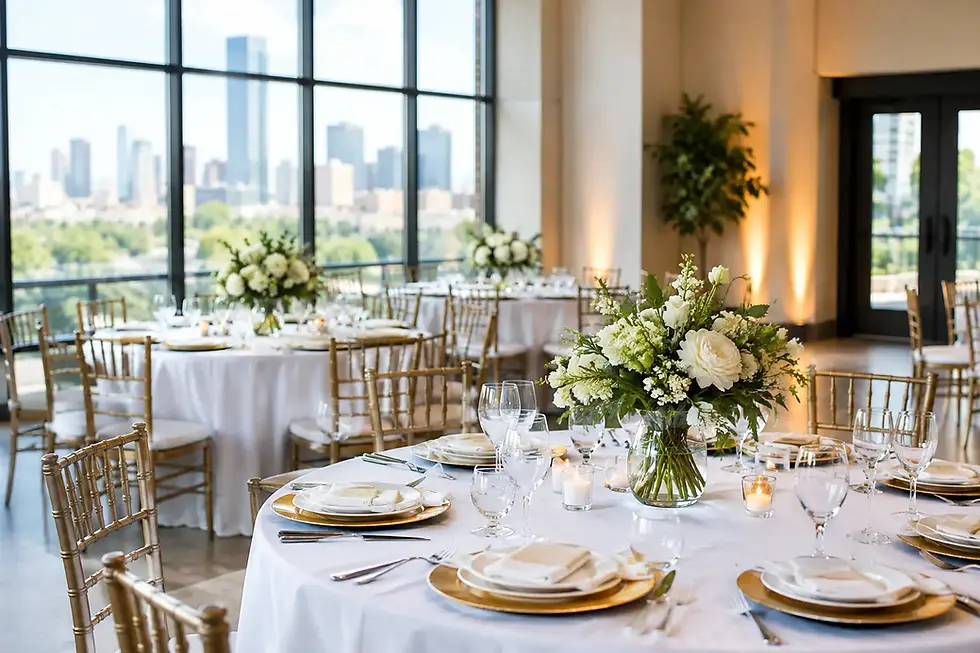
The dining area uses a combination of round tables and a few longer communal tables. Rounds remain practical for family groups and older guests, while communal tables add a contemporary look and encourage a more social atmosphere among friends. Keep centerpieces low enough for conversation. Elevated arrangements can be beautiful, but they may block sightlines to speeches, performances, and the dance floor.
At the center is a generous dance floor framed by intelligent lighting and a DJ or band setup that looks intentional from every angle. A professional entertainment station should complement the design, not resemble a collection of equipment placed against a wall. If the reception includes a live percussionist, dancers, or a photo moment, reserve clear space around the floor so those features can be introduced without moving furniture mid-event.
On the opposite side of the room, create an activity zone. Depending on the guest of honor, that may include a photo booth, sports simulator, airbrush artist, gaming station, candy display, or custom merchandise table. One or two well-executed activities are usually more effective than a crowded collection of distractions. The goal is to give guests options, not to compete with the dance floor.
Let Lighting Change the Event Without Changing the Room
Lighting is one of the clearest ways to make a mitzvah reception feel current. Start with warm, flattering light during cocktails and dinner, then shift into richer color once dancing begins. This transition helps the evening build naturally instead of feeling like the same room all night.
Uplighting can tie the space to the event palette, but it does not need to be saturated in one color. Blue, purple, magenta, and soft gold can be layered for depth. Pin spots on centerpieces, a monogram projection on the dance floor, and controlled movement lighting during the party add energy without making the room feel like a nightclub before dinner.
Screens can also be used with restraint. A slideshow of family photos or a short montage is meaningful during a designated moment. Running visuals all evening can become background noise. If the guest of honor has a specific interest, such as music, travel, fashion, or a favorite sport, incorporate it through a custom graphic package rather than relying on a literal theme across every detail.
Make Dining Feel Flexible, Not Formal for Its Own Sake
Food service affects the layout more than many families expect. A seated dinner creates a classic reception rhythm and gives older relatives a comfortable, predictable experience. Stations encourage movement and can feel more relaxed, especially for a crowd that includes many teens. Neither approach is automatically better.
For a modern balance, consider a cocktail-style opening with passed appetizers, followed by either a plated meal or carefully positioned food stations. If stations are used, avoid placing every option along one wall. Spread them around the room enough to reduce lines, while keeping them close enough that guests can easily find what is available.
A separate dessert moment can become part of the entertainment. It might be a late-night snack reveal, a decorated dessert display, or a service timed to follow the candle lighting and speeches. This creates another natural shift in the evening and gives guests a reason to re-engage after dinner.
Design for Adults and Teens at the Same Time
A mitzvah reception is successful when grandparents can talk comfortably, parents can relax, and teens feel like the party was designed with them in mind. That requires more than choosing a popular DJ. It requires deliberate placement.
Keep adult seating close enough to the action that no one feels removed, but avoid placing every table directly against speakers or high-traffic activity areas. Reserve quieter seating toward the edges of the room, and use lounge furniture to soften the transition between dining and entertainment. A small parents’ lounge can be especially useful if the event runs late.
For teens, prioritize a dance floor with enough open space, a photo-ready moment, and one activity that feels genuinely interactive. A setup with a strong music program, a photo booth, and an appealing late-night food option often performs better than an overfilled room. The most memorable celebrations allow the guest of honor to be the focus rather than asking guests to process too many competing details.
Personal Details Should Be Felt, Not Forced
The most refined mitzvah designs use personalization with confidence. Initials, a logo, a meaningful color story, favorite foods, and a curated playlist can say plenty. Families do not need to turn every napkin, screen, and centerpiece into a theme reference for the event to feel personal.
Consider where personalization will have the greatest impact. A custom dance floor graphic, specialty mocktails named for the celebrant, table names connected to favorite places or interests, and a photo display can tell a story without overwhelming the room. If there is a larger theme, use it as a design direction rather than a costume requirement.
Plan the Setup Around the Real Schedule
A beautiful layout must support the actual order of events. Candle lighting, speeches, a hora, performances, and dance sets all need room and timing. Before finalizing furniture placement, walk through the program with the venue team and entertainment professionals. Confirm where family members will stand, how the photographer will move, and whether guests will still be able to see the key moments.
At RAIN Events, a customizable setting gives families the flexibility to shape these zones around their guest count, program, and preferred atmosphere. That flexibility matters because a 75-person daytime celebration and a 250-person evening party should not be arranged the same way.
The strongest setup is not the one with the most rentals or the loudest décor. It is the one that makes guests feel welcomed, keeps the celebration moving, and gives the guest of honor a room that feels unmistakably their own.


Comments